
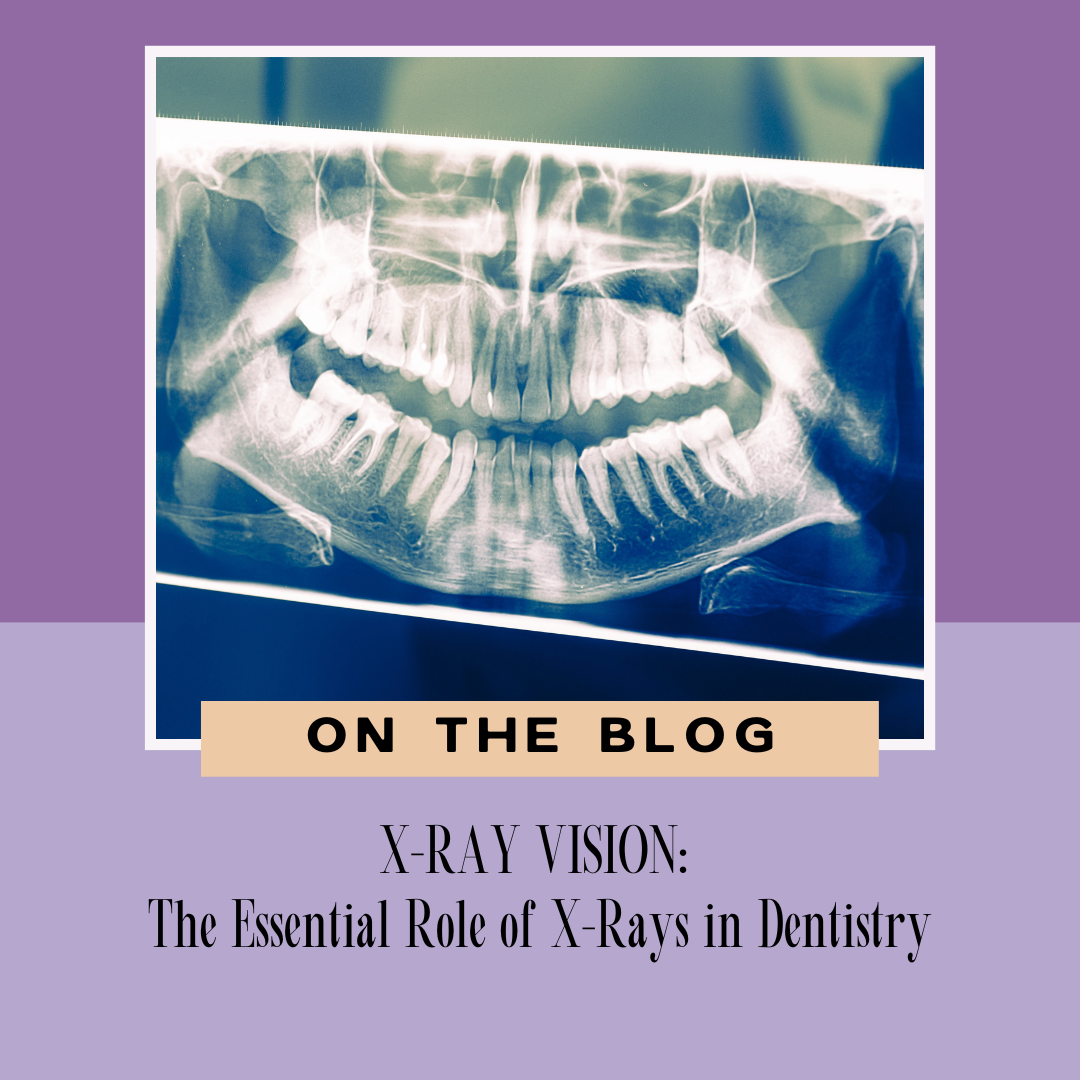
Imagine if your dentist had the ability to peer into the hidden corners of your mouth, exploring not just the surface of your teeth but also the areas between them, under your gums, and into your jawbone. This isn’t a scene from a sci-fi movie; it’s what happens during a dental X-ray!
Understanding the Need for Dental X-Rays
Why are they crucial?
They allow your dental team to detect early signs of tooth decay, especially in hard-to-see places like between teeth or under old fillings. These images are also invaluable for spotting changes in your root canals, identifying abscesses, or observing bone loss in the jaw.
For more complex dental procedures like implants, crowns, braces, or surgeries, X-rays provide a detailed view of your teeth’s positioning and condition. They’re also essential for monitoring the dental development of children, revealing the growth pattern of teeth still under the gums.
On your first visit, we usually recommend taking X-rays. This helps us tailor a treatment plan to your specific oral health needs. For adults, we generally suggest updating them every two years, and for children, every one to two years, unless there’s an increased risk of tooth decay.
What to Expect During Your Dental Session
In our dental clinic, we employ digital dental X-rays. These are quick, safe, and easily accessible on our computers.
During the procedure, you’ll sit comfortably while our hygienist prepares the equipment. We provide a lead apron for your protection, ensuring your internal organs and thyroid are shielded.
There are several types of dental X-rays:
- Bitewing: These focus on specific areas of your mouth, revealing both the visible part of your teeth and their roots.
- Periapical: Used to examine individual teeth, they can pinpoint problems in tooth roots and surrounding bone.
- Panoramic: Offering a full view of all your teeth, these are taken with a camera that circles your head, providing a comprehensive image of your dental structure.
The process is quick, and while you may feel a bit of discomfort, it shouldn’t be painful. Let your hygienist know if you’re experiencing any discomfort.
Safety and Health: The Priority in Dental X-Rays
Dental X-rays are incredibly safe. The radiation level from them are minimal, especially compared to everyday radiation exposure from natural and other sources.
For instance, the radiation from a single dental X-ray is significantly lower than what you’d be exposed to on a cross-country flight. So while it’s not something to do frivolously, you can feel safe getting the necessary X-rays for your dental care.
If you’re pregnant or believe you might be, inform your dental team. Dental X-rays during pregnancy are generally safe, but it’s always best to discuss your situation with your dentist.
Don’t let hidden dental issues go unnoticed. Embrace the power of dental X-rays to safeguard your smile and health. Whether it’s time for your regular check-up or if you have specific dental concerns, we’re here to provide expert care with the latest in dental imaging technology.


Comments: